
You're working out.
You're eating well.
You're doing everything right.
But you're not seeing results.
And you can't figure out why.
Here's what you're probably missing:
Sleep.
And I don't mean just getting some sleep.
I mean actually getting good sleep.
Consistently.
Because sleep is where the magic happens.
Here's what most people don't understand:
Your body doesn't actually build muscle during your workout.
It builds muscle while you sleep.
When you're sleeping, your body releases growth hormone.
Growth hormone tells your body to build and repair muscle.
If you're only getting 5-6 hours of sleep, you're not getting enough deep sleep.
And if you're not getting enough deep sleep, your body can't build muscle.
So even if you're lifting weights and eating protein, you're not making progress.
Because your body doesn't have time to recover.
What happens when you don't sleep enough:
Your muscle recovery slows down (so you can't progress)
Your metabolism slows down (so weight loss gets harder)
Your hunger hormones go crazy (so you're hungrier)
Your decision-making gets worse (so you make worse food choices)
Your stress hormone (cortisol) stays elevated (which breaks down muscle)
Your mood suffers (depression and anxiety get worse)
Your immune system weakens (so you get sick more)
Your skin looks worse
Your energy tanks
Everything is harder
How much sleep do you actually need?
Most people need 7-9 hours.
Yes, really.
That's not lazy.
That's what your body needs to function.
Some people do fine on 6.5-7 hours.
Some people need 9-9.5 hours.
But less than 7 is not enough for most people.
The problem:
Modern life makes sleep hard.
We have phones and lights and stress and commitments and endless things to do.
So we sacrifice sleep.
And then we wonder why nothing is working.
What actually improves sleep:
Have a consistent bedtime
Your body likes routine.
Pick a time and go to bed at that time every night.
Even weekends.
I know that sounds boring.
But it works.
No screens an hour before bed
Blue light from your phone and computer suppresses melatonin production.
Melatonin is the hormone that makes you sleepy.
If you're looking at screens until the moment you get into bed, you're actively preventing yourself from getting sleepy.
Put the phone away.
Actually away.
Not on your nightstand.
In another room.
Make your room dark
Darkness triggers melatonin production.
If there's any light in your room, your brain thinks it's not time to sleep yet.
Black out your windows.
Turn off any lights.
If you can't see your hand in front of your face, you're doing it right.
Make your room cool
Your body temperature needs to drop for sleep to happen.
A cool room (around 18.3°C to 20°C) is ideal.
If your room is too warm, sleep is harder.
Open a window.
Use lighter bedding.
Make it cool.
No caffeine after 1pm
Caffeine stays in your system for a long time.
If you have a coffee at 3pm, half of it is still in your body at 8pm.
And a quarter of it is still there at midnight.
No wonder you can't sleep.
No caffeine after 1pm.
No alcohol close to bedtime
Yes, alcohol makes you fall asleep.
But it ruins sleep quality.
You sleep lighter.
You wake up more.
You don't get restorative sleep.
Skip the nightcap.
Exercise during the day (but not close to bedtime)
Exercise improves sleep.
But not if you do it close to bedtime.
If you exercise within 2-3 hours of bed, your nervous system is activated and sleep is harder.
Move during the day.
Chill in the evening.
Manage stress
Chronic stress keeps your nervous system in a state of alert.
Your body thinks there's danger.
Sleep is hard when you're ready to fight or flee.
Include things that help you relax:
Breathing exercises
Meditation
Journaling
Walking
Time in nature
Anything that makes you feel calm
Pick something and do it before bed.
But here's the reality:
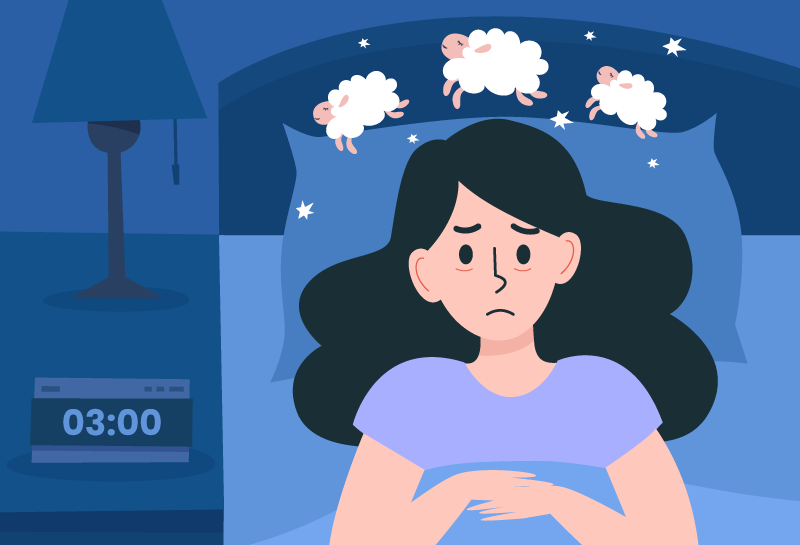
Even when you do all of those things, sometimes you still can't fall asleep.
Your mind races.
Your body won't relax.
You lie there frustrated.
This is where sleep support can help:
Snooze Gummies are designed to help your body relax and actually fall asleep.
They contain ingredients that naturally support relaxation and sleep without making you groggy the next day.
Most women report falling asleep easier and staying asleep better when they take them consistently.
The key word is consistently.
These aren't a one-time fix.
They're part of your sleep routine.
Pop two gummies 30-60 minutes before bed.
Let them do their thing.
Actually fall asleep.
Wake up rested.
What changes when you actually sleep:
Your energy improves dramatically
Your mood gets better
Your cravings decrease
You make better food choices
Your skin looks better
You recover from workouts
You build muscle (if you're exercising)
You lose weight easier
Everything is easier
You actually feel human
The real truth:
You cannot out-exercise bad sleep.
You cannot out-eat bad sleep.
There is no supplement that replaces sleep.
Sleep is the foundation.
Everything else is built on top of it.
If your sleep is bad, everything else is harder.
If your sleep is good, everything else is easier.
So prioritise it.
Make it non-negotiable.
Because the results you're chasing?
They come from sleep.
Not just from exercise and diet.
From sleep.
Start tonight.
Go to bed earlier.
Make your room dark and cool.
Put your phone away.
If you need support falling asleep, try Snooze Gummies.
And then just sleep.
Your body will handle the rest.
